












What is pronation?
Pronation is the natural movement that occurs when the foot rolls slightly inward while walking or running. This movement helps the body absorb shocks and distribute the load evenly across the foot.
Everyone pronates to some degree - it is an important part of the body's biomechanics and contributes to stable and efficient walking.
Different types of pronation
Pronation can be divided into three main types depending on how the foot moves:
- Neutral pronation - a natural and balanced movement
- Overpronation - the foot rolls inward too much
- Underpronation (supination) - the foot rolls inward too little
With overpronation, the arch collapses more than normal, which can affect how the body is loaded with each step.
What is overpronation?
Overpronation means that the foot rolls inward too much, which can cause the arch to be loaded incorrectly and pressure to be distributed unevenly.
This, in turn, can place increased strain on the muscles, tendons, and joints in the foot, knee, and hip.
Common symptoms of overpronation
Not everyone notices their pronation, but in some cases it can lead to discomfort.
Common signs include:
- Pain in the arch or heel
- Fatigue in the feet and lower legs
- Pain in the knees or hips
- Uneven wear on shoes (the inside wears out more)
- Recurring overuse injuries
Overpronation can also contribute to problems such as heel spurs, shin splints, and knee problems.
Why do pronation problems occur?
Pronation itself is natural, but problems arise when the movement becomes unbalanced.
Common causes include:
- Low or collapsed arch
- Weak muscles in the foot and lower leg
- Incorrect loading or walking pattern
- Shoes with poor support
- Overloading during exercise or work
Genetic factors and the body's biomechanics can also play a major role.
How to relieve discomfort caused by pronation
To reduce strain and improve foot function, it is important to provide the right support.
It may help to:
- Wear shoes with good stability
- Reduce the load when experiencing pain
- Strengthen the muscles in your feet and legs
- Give your foot support with every step
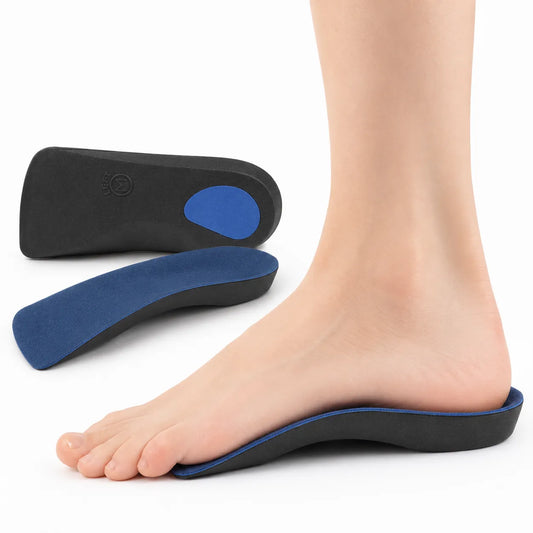
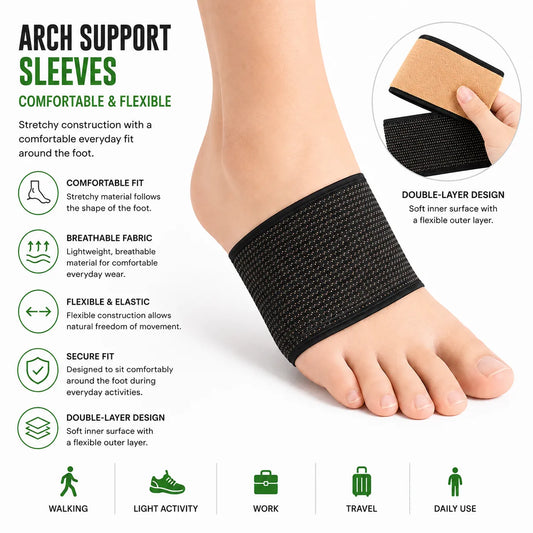
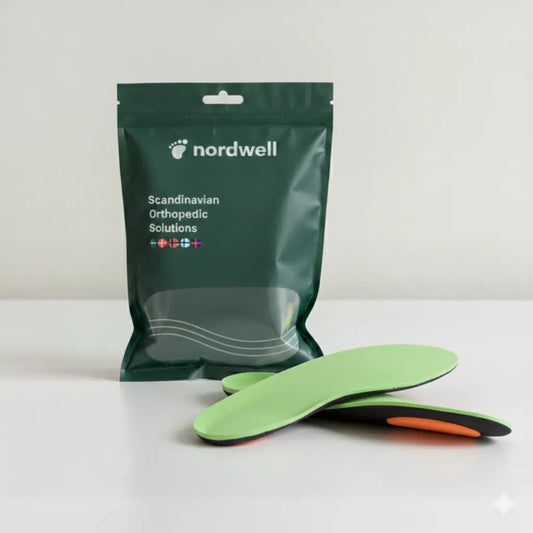
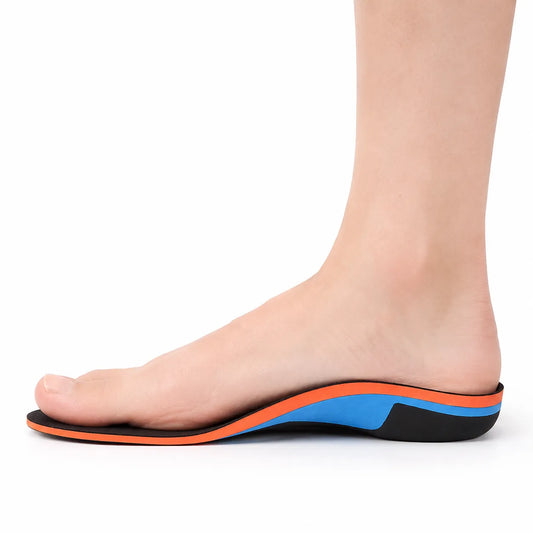
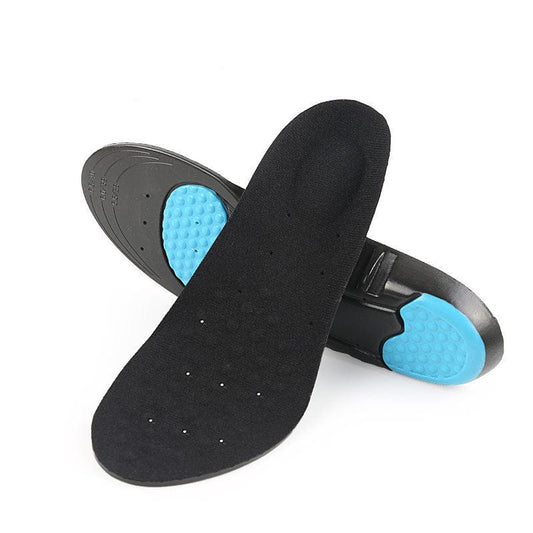
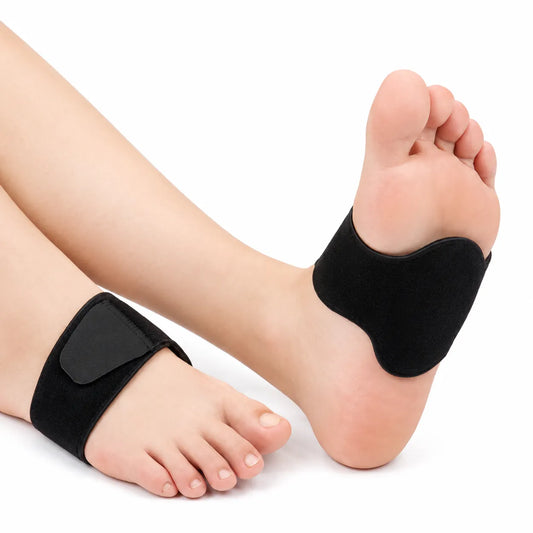
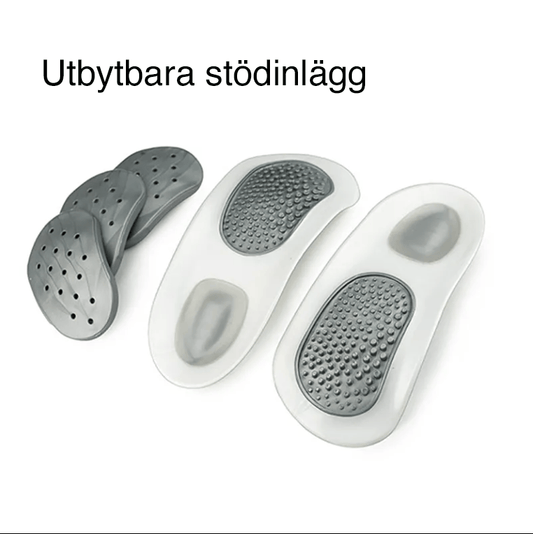
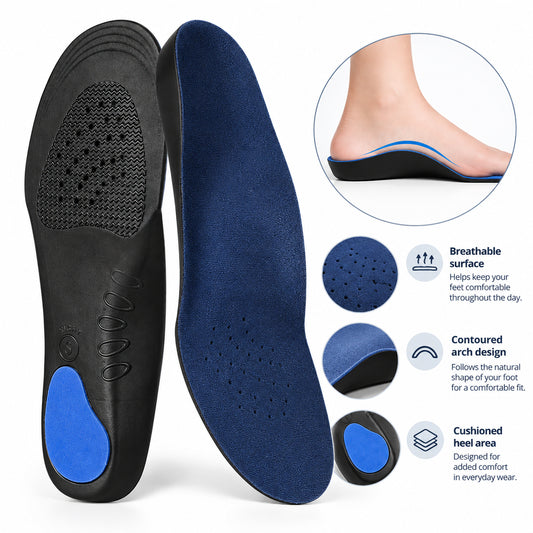
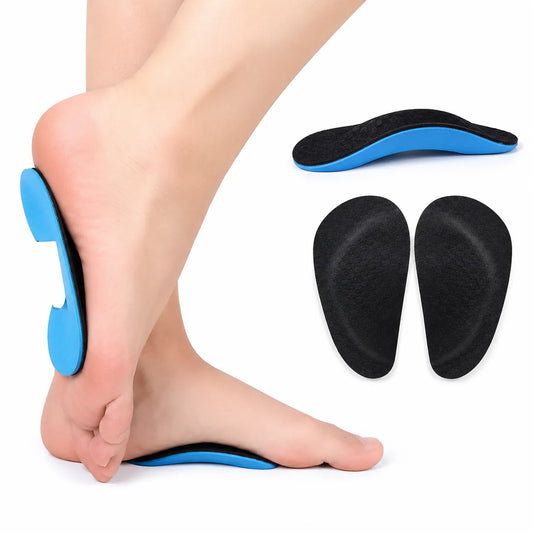
Many people experience significant improvement by using shoe inserts that help correct weight distribution and support the arch. A good example of a product that helps with this is Pronation half insole , which supports the arch and helps stabilize the foot's movement.
What works best for overpronation?
The most effective approach is usually to combine support with the right amount of load.
Common solutions include:
- Supportive insoles that stabilize the foot
- Shoes designed for pronation
- Exercises to strengthen the foot and lower leg
- Adjusting activity and load
The aim is to create more balanced movement in the foot and reduce the risk of overuse.
How do you know if you overpronate?
There are a few simple signs to look out for:
- Your shoes wear down more on the inside
- Your feet often feel tired or sore
- You experience recurring problems in your feet or legs
For a more accurate assessment, gait or weight distribution can be analyzed.
Frequently asked questions about pronation
What is pronation?
It is the foot's natural movement of rolling inward to absorb shock.
Is pronation a bad thing?
No, pronation is normal - problems only arise when the movement is excessive or insufficient.
What is overpronation?
It occurs when the foot rolls inward more than normal, creating an imbalance in weight distribution.
What helps with overpronation?
Supportive insoles, stable shoes, and exercise are usually the most effective.
Can pronation cause pain?
Yes, overpronation can cause pain in the feet, knees, and lower legs.
Read more: Information about pronation on 1177
What is pronation?
Pronation is the natural movement that occurs when the foot rolls slightly inward while walking or running. This movement helps the body absorb shocks and distribute the load evenly across the foot.
Everyone pronates to some degree - it is an important part of the body's biomechanics and contributes to stable and efficient walking.
Different types of pronation
Pronation can be divided into three main types depending on how the foot moves:
- Neutral pronation - a natural and balanced movement
- Overpronation - the foot rolls inward too much
- Underpronation (supination) - the foot rolls inward too little
With overpronation, the arch collapses more than normal, which can affect how the body is loaded with each step.
What is overpronation?
Overpronation means that the foot rolls inward too much, which can cause the arch to be loaded incorrectly and pressure to be distributed unevenly.
This, in turn, can place increased strain on the muscles, tendons, and joints in the foot, knee, and hip.
Common symptoms of overpronation
Not everyone notices their pronation, but in some cases it can lead to discomfort.
Common signs include:
- Pain in the arch or heel
- Fatigue in the feet and lower legs
- Pain in the knees or hips
- Uneven wear on shoes (the inside wears out more)
- Recurring overuse injuries
Overpronation can also contribute to problems such as heel spurs, shin splints, and knee problems.
Why do pronation problems occur?
Pronation itself is natural, but problems arise when the movement becomes unbalanced.
Common causes include:
- Low or collapsed arch
- Weak muscles in the foot and lower leg
- Incorrect loading or walking pattern
- Shoes with poor support
- Overloading during exercise or work
Genetic factors and the body's biomechanics can also play a major role.
How to relieve discomfort caused by pronation
To reduce strain and improve foot function, it is important to provide the right support.
It may help to:
- Wear shoes with good stability
- Reduce the load when experiencing pain
- Strengthen the muscles in your feet and legs
- Give your foot support with every step
Many people experience significant improvement by using shoe inserts that help correct weight distribution and support the arch. A good example of a product that helps with this is Pronation half insole , which supports the arch and helps stabilize the foot's movement.
What works best for overpronation?
The most effective approach is usually to combine support with the right amount of load.
Common solutions include:
- Supportive insoles that stabilize the foot
- Shoes designed for pronation
- Exercises to strengthen the foot and lower leg
- Adjusting activity and load
The aim is to create more balanced movement in the foot and reduce the risk of overuse.
How do you know if you overpronate?
There are a few simple signs to look out for:
- Your shoes wear down more on the inside
- Your feet often feel tired or sore
- You experience recurring problems in your feet or legs
For a more accurate assessment, gait or weight distribution can be analyzed.
Frequently asked questions about pronation
What is pronation?
It is the foot's natural movement of rolling inward to absorb shock.
Is pronation a bad thing?
No, pronation is normal - problems only arise when the movement is excessive or insufficient.
What is overpronation?
It occurs when the foot rolls inward more than normal, creating an imbalance in weight distribution.
What helps with overpronation?
Supportive insoles, stable shoes, and exercise are usually the most effective.
Can pronation cause pain?
Yes, overpronation can cause pain in the feet, knees, and lower legs.
Read more: Information about pronation on 1177